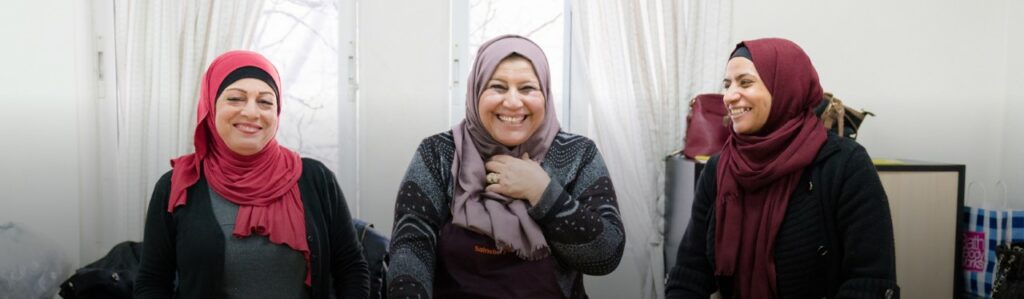
Empowerment is at the heart of the Jordan River Foundation’s mission to alleviate poverty for local community and refugee women in Jordan. JRF (Jordan River Foundation) has sought to create sustainable economic opportunities capitalizing on their potential as independent breadwinners within their families.
That mission is realized today through JRF’s social enterprises; a model that trains and employs female beneficiaries in projects that revive and celebrate traditional culinary arts and handicrafts; leveraging their employability, social skills, and business acumen. Through a series of social enterprise initiatives and collaborations, JRF has helped create jobs for local community women across Jordan, 513 last year, while reviving the heritage of traditional cooking, as well as rural and Bedouin community arts.
Art of Empowerment: Jordan River Foundation and The Social Enterprise
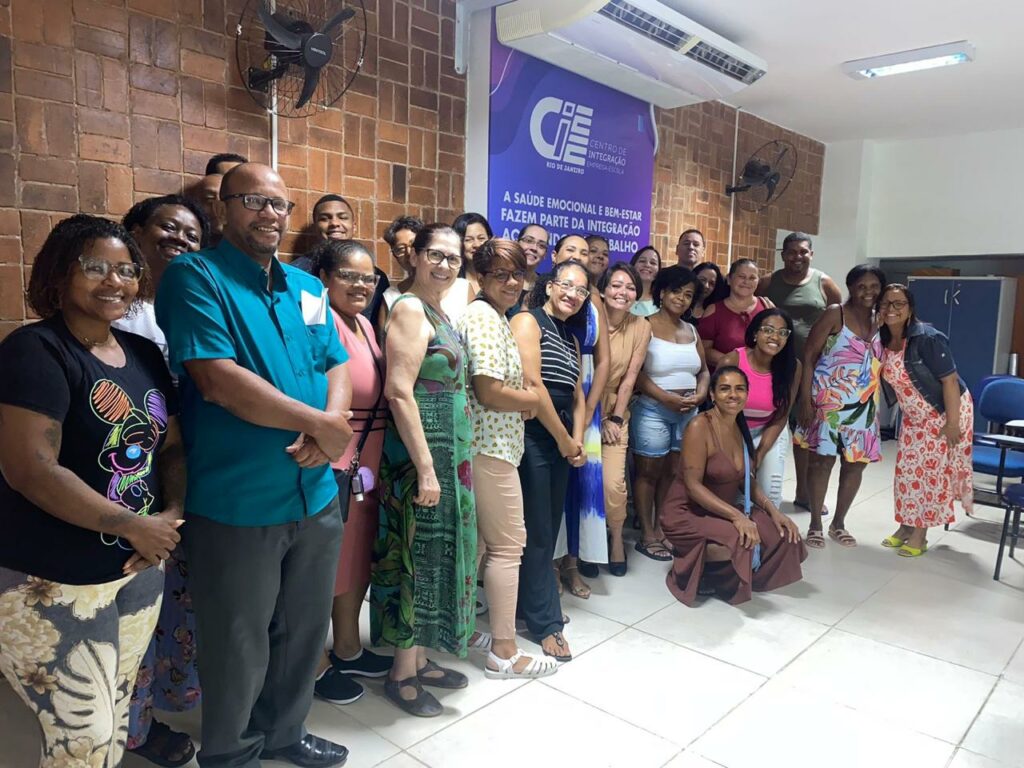
Já parou para pensar no superpoder que toda juventude ama ter consigo? Aquele apoio incondicional, o ombro amigo, a torcida vibrante nos bastidores… Sim, estou falando da família, como rede de apoio. No dia a dia do CIEE Rio, acompanhando adolescentes e jovens incríveis em seus primeiros passos no mundo do trabalho através dos Programas de Aprendizagem e Estágio, percebo, cada vez mais forte, o quanto a presença e o suporte familiar são nutrientes secreto do seu sucesso.
Imagine a jornada rumo à independência profissional como uma trilha nova e, por vezes, desafiadora. Ter sua rede de apoio por perto, mesmo que de jeitos diferentes, é como ter um mapa, uma bússola e uma rede de segurança para essa aventura. Mas como essa mágica acontece na prática?
Muitas vezes, a falta de informação pode ser como uma névoa densa nessa trilha. As famílias, especialmente aquelas que já enfrentam tantos desafios, podem se sentir inseguras sem conhecer os direitos dos seus filhos, o funcionamento dos programas ou os eventuais obstáculos que podem surgir no caminho. A pergunta que ecoa em nosso trabalho é simples, mas poderosa: como proteger quem a gente ama daquilo que a gente não conhece?
É aí que o Serviço Social, interage e intervém, buscando orientar essa jornada. Acreditamos que informação é poder, e um dos nossos maiores objetivos é garantir que as famílias se sintam seguras e confiantes para apoiar seus jovens talentos. Oferecemos desde acolhimento com escuta qualificada simples e diretas até oficinas dinâmicas, tudo para que um membro da rede de apoio de cada atendido, na diversidade de seus arranjos – enfim, quem cuida – entenda os direitos, os desafios e as oportunidades que a aprendizagem e o estágio oferecem.
Quando esta rede sociofamiliar está por dentro, ela se torna uma parceira incrível no desenvolvimento do jovem. Ajuda a entender os desafios do dia a dia, celebra as conquistas, oferece aquele apoio moral nos momentos de cansaço e, principalmente, compartilhar suas experiências importantes para a vida profissional e pessoal. Essa troca fortalece os laços, cria um ambiente de confiança e encoraja adolescentes e jovens a voarem seguros e mais alto.
E essa conexão poderosa entre rede familiar e desenvolvimento profissional não é um esforço isolado. Ela se conecta diretamente com os Objetivos de Desenvolvimento Sustentável (ODS) da Agenda 2030 da ONU. Ao fortalecer a função protetiva das famílias e garantir oportunidades de trabalho decente para os jovens, estamos contribuindo para:
- ODS 4: Educação de Qualidade: Uma família informada é mais possível que melhor apoie a trajetória educacional e profissional dos jovens, garantindo que eles aproveitem ao máximo as oportunidades de aprendizado.
- ODS 8: Trabalho Decente e Crescimento Econômico: Ao preparar jovens para o mundo do trabalho com o apoio familiar, facilitamos sua inserção em empregos de qualidade e contribuímos para o crescimento econômico inclusivo.
- ODS 16: Paz, Justiça e Instituições Eficazes: Uma juventude protegida e com seus direitos garantidos, com o apoio de famílias conscientes, contribui para uma juventudes mais justas e pacíficas. Isso é promover a equidade: Tratar o diferente com a diferença que ele precisar.
Acreditamos que investir na informação e no fortalecimento dos laços familiares é investir no futuro. É construir pontes sólidas entre a juventude e o mundo do trabalho, garantindo que essa jornada seja mais segura, promissora e cheia de realizações. Afinal, quando a família apoia, o talento jovem voa ainda mais longe!
Verônica Leal – Assistente Social de Especialista Social a em Trabalho com Família
Trabalho Social com Famílias: Nutriente Secreto do Sucesso