Street-Level Solutions in a Fractured World
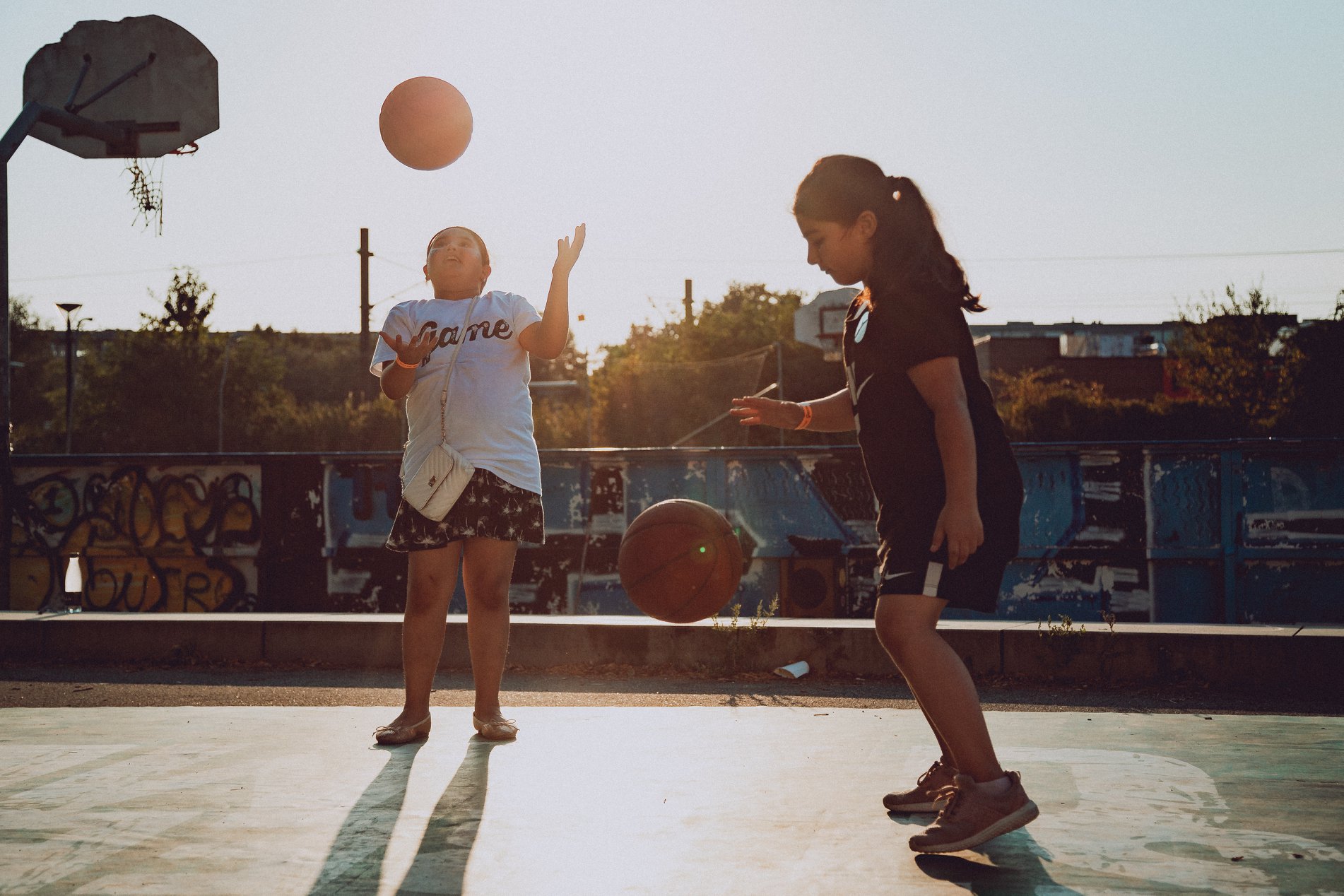
I co-founded GAME in a high-income democracy, grounded in what is often labelled street culture. Some will say we do sports. We say we create a framework that enables youth to empower themselves through street sports and culture. We never saw this street culture as a problem to be managed, but as a powerful tool to create connection rather than division, togetherness rather than hatred. Starting with the individual, our goal was to create self-awareness, social cohesion, develop leadership, and provide a mental and physical space with room for dreaming big.
Our work began in Denmark, widely considered one of the best countries in the world to live in. The decision to act through a social good organisation was not idealistic fantasy. It was a response to real and growing problems that public authorities struggled to address through policies as well as services. Social cohesion can erode quickly when societies become inward-looking, focused on individual comfort while ignoring collective fractures. One way to assess the strength of a democracy is therefore to look at how it treats minoritised groups. At the time we founded GAME, children and youth of parents who had migrated from war-torn countries participated in sports and cultural activities at a much lower rate than the ethnic Danes. So, we sat out to change this through project activities, which have inspired more inclusive policies and services in Denmark today.
In some contexts, the social fabric is not merely fragile; it survives under pressure, resistance, and outright abuse of power. Today, GAME operates in 10 countries. Across all of them, one constant remains: daily, grounded social interaction brings people together. It de-escalates conflict. It rebuilds trust. It does the opposite of what authoritarian movements thrive on.
And that is exactly what this moment demands.
Youth-Led Peacebuilding Across Continents
Let me offer three examples drawn directly from our street-level experience – moments of truth that reveal how civic engagement, when rooted in everyday life, becomes a force for peace and democratic resilience.
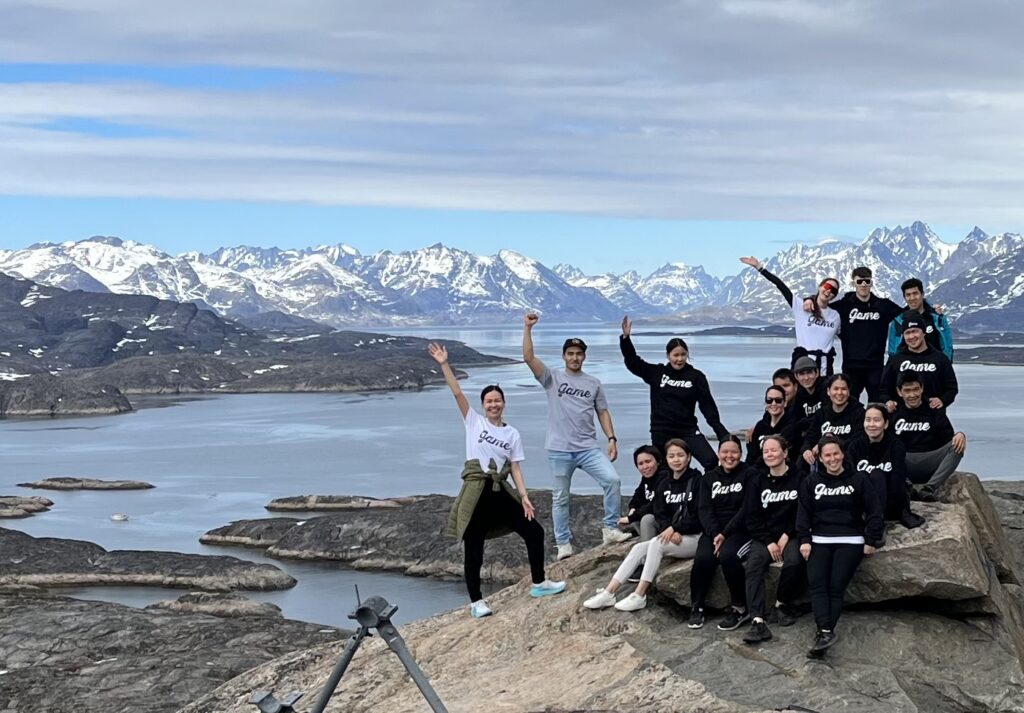
In many high-income democracies increasing wealth and accelerated freedom do not necessarily translate into greater life satisfaction and well-being among children and youth. When we speak with young people in Greenland, they often express a strong desire to create safer communities where you can be yourself and speak openly about the things that are difficult in your life. U.S. threats to take over the country hasn’t helped, causing anxiety amongst many. But through all this GAME Greenland’s volunteer Playmakers have been hosting weekly sports activities, creating inspiring communities across the country where children and youth can meet and get support in their development and tools for creating positive progress in their lives.
In Lebanon the population has faced not one, but multiple crisis over the past decade. Again, volunteer youth have been there to help – sometimes as first responders. After the 2020 explosion in Beirut, volunteers helped clean up some of the most affected neighbourhoods. Out of the rubble their dream of a much-needed safe space for play materialised a few years later in a city with only 0.5% public space. Instead of getting into boats to leave the country, they started envisioning a future in their homeland. And when Israel invaded Southern Lebanon in 2024, the civil society was there again to support. This time groups of citizens in Switzerland and Denmark hosted fundraisers and sent money to GAME Lebanon. In partnership with local municipalities this enabled the youth to distribute food baskets to the ones affected by the war.
In Kenya, the past two years have brought protests and violent clashes between youth and police. Part of this is rooted in a lack of trust between the youths and the duty bearers. GAME’s sports initiatives have redefined relationships with police and local chiefs. Previously perceived as sources of unrest, some of the youths are now acknowledged as peace ambassadors – an outcome of peace forums and structured sports-based dialogues with a focus on conflict resolution and peaceful coexistence.
Social good organisations are not peripheral actors. They are the glue that binds societies together when institutions falter and polarisation deepens. They help innovate services, strengthen resilience, and cultivate peaceful values. That allows elections to be decided through debate and participation, not intimidation and manufactured chaos.
There is no gamble in investing in civil society – and especially not youth. There is only the choice between withdrawal and engagement, between fragmentation and solidarity. Down the path of civic action lie hope, resilience, innovation, and ultimately, democratic survival.